If you’ve ever arrived at your shoot location only to find your Pocket Cinema Camera rattling around like dice in a tin can, you’re not alone. As a travel vlogger who’s lugged gear across 30+ countries, I once cracked a lens mount because my “protective” bag was basically foam confetti glued to cardboard. For creators on the move, your travel case for pocket cinema camera isn’t just storage—it’s insurance against dead batteries, scratched sensors, and that gut-punch moment when your footage is lost forever. In this guide, we’ll cut through marketing fluff and deliver battle-tested advice for choosing, packing, and protecting your most vital tool.
Table of Contents
- Why Your Travel Case for Pocket Cinema Camera Matters
- Step-by-Step Guide to Choosing the Right Case
- Proven Best Practices for On-the-Go Protection
- Real-World Examples That Prove It Works
- Frequently Asked Questions
Key Takeaways
- A quality travel case prevents physical damage, moisture exposure, and theft during transit.
- Hard-shell cases with customizable foam outperform soft neoprene sleeves for frequent travelers.
- Always include room for batteries, cards, and microphones—not just the camera body.
- Weight distribution matters as much as padding; uneven loads strain zippers and seams.
- Test your case during short trips before committing to international expeditions.
Why Your Travel Case for Pocket Cinema Camera Matters
Unlike DSLRs or mirrorless kits, Blackmagic Pocket Cinema Cameras pack pro-grade video capabilities into compact bodies—making them prime targets for bumps, drops, and environmental hazards. According to the Federal Aviation Administration, over 25,000 pieces of electronic equipment are damaged in checked luggage annually. Even carry-ons face rough handling. Without proper protection, your investment is at risk.
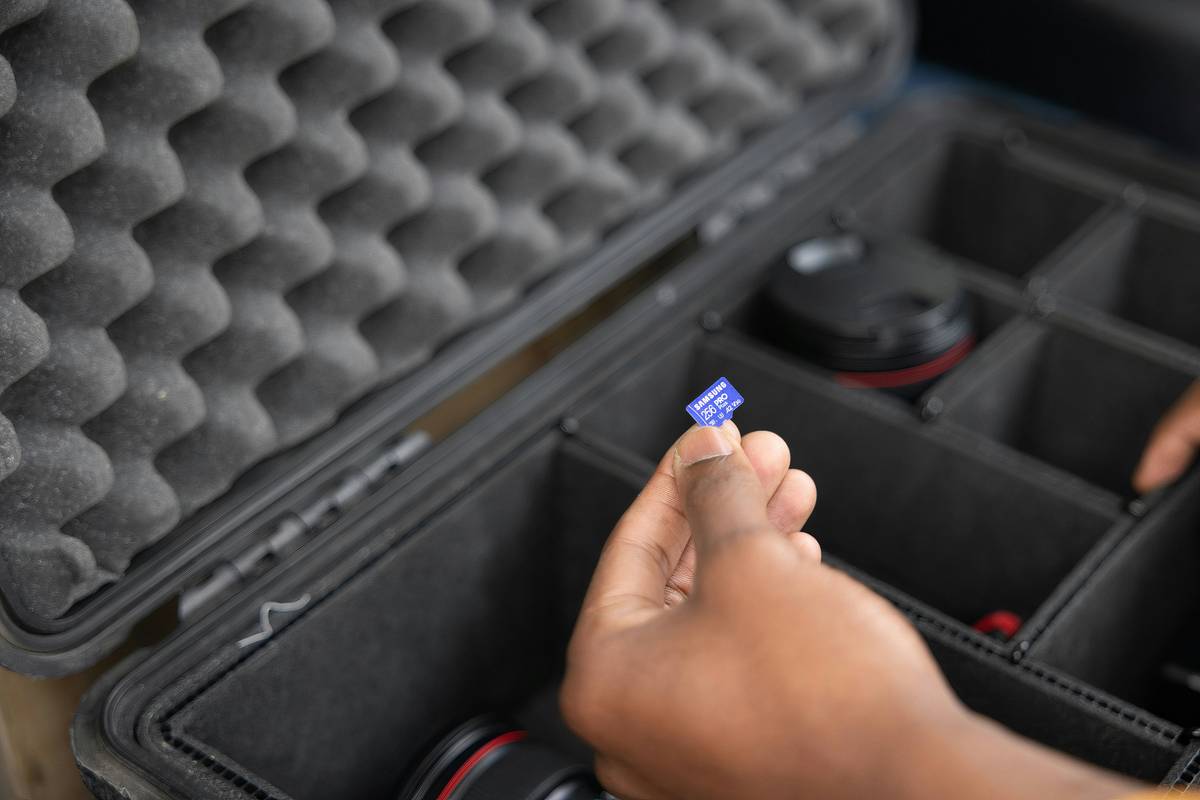
I learned this the hard way in Lisbon when a poorly secured case shifted during a train transfer. The camera slammed sideways, dislodging the SSD—and wiping an entire day’s Golden Hour shots. Never again.
Step-by-Step Guide to Choosing the Right Case
Assess Your Core Gear Needs
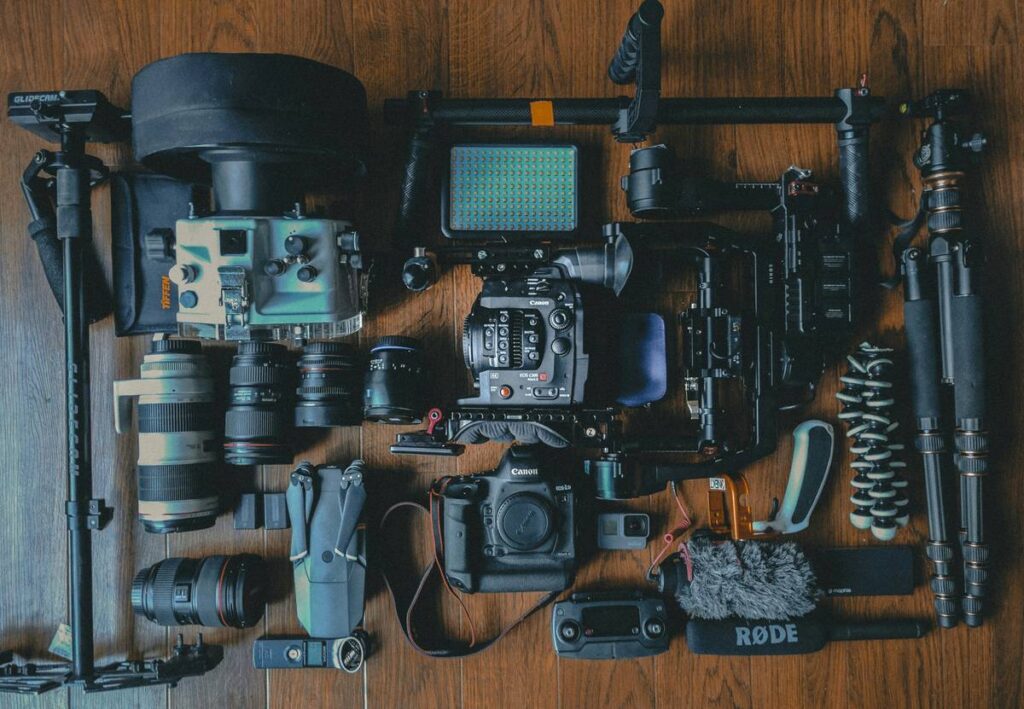
List every item you regularly carry: camera body, extra batteries (at least two), memory cards, spare SSDs, microphones, cables, and lens filters. Don’t forget mounts or gimbals if used on location.
Evaluate Case Types
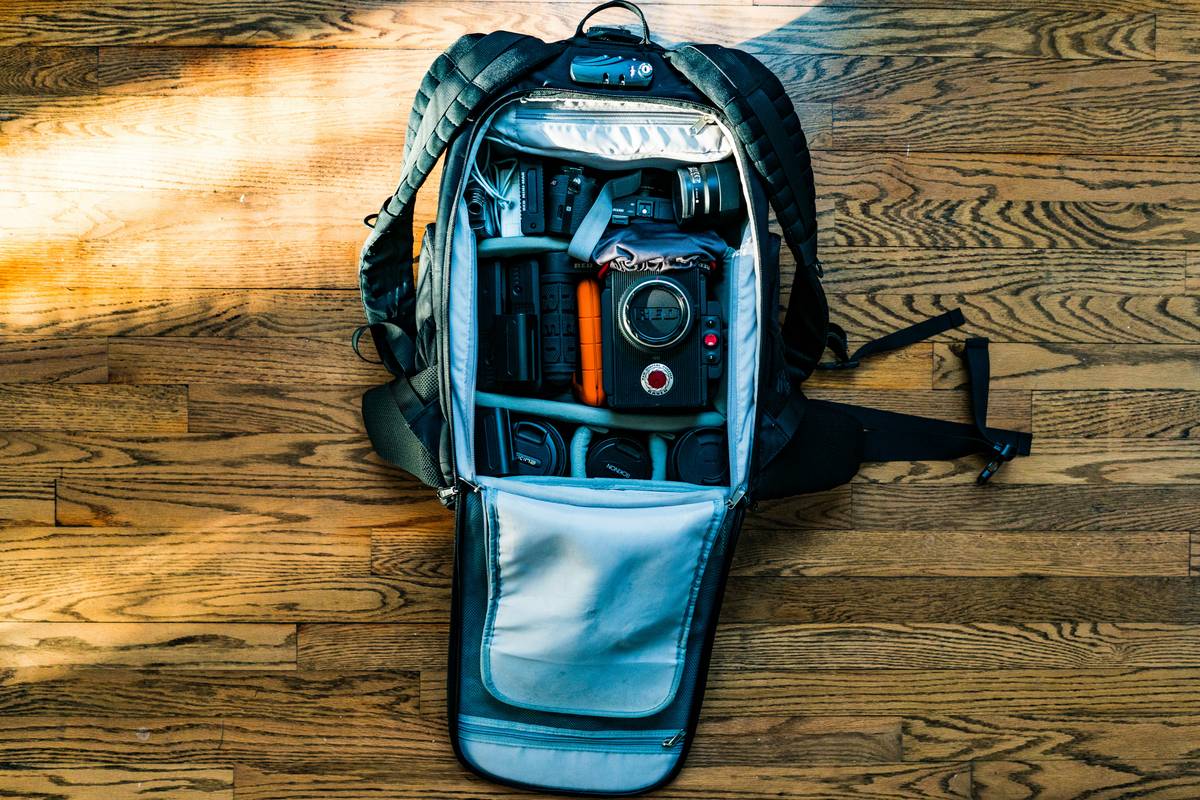
Soft cases are lightweight but offer minimal crush protection. Hard-shell options from brands like Pelican or NANUK provide military-grade resistance to impact, dust, and water. For influencer work where gear switches between backpacks and hand-carry scenarios, hybrid designs (like those from Peak Design) strike the best balance.
Test Fit and Accessibility
Your case should open quickly but stay secure. If swapping batteries mid-shoot takes more than 15 seconds, you’ll miss moments. Try mock setups at home before purchasing.
Proven Best Practices for On-the-Go Protection
- Use silica gel packs: Humidity ruins electronics. Toss in two reusable desiccant packs to absorb moisture, especially in tropical climates.
- Color-code your cards: Label used vs. fresh memory cards with colored stickers to avoid accidental formatting.
- Avoid “one-size-fits-all” dividers: Generic compartments lead to gear shifting. Custom-cut foam ensures everything stays locked in place.
- Never check it: Always carry your trusted travel case for pocket cinema camera onboard. Checked baggage handlers don’t distinguish between a laptop sleeve and a $3,000 cinema rig.
And here’s a terrible tip you’ll hear online: “Just wrap it in a t-shirt.” Nope. Fabric offers zero structural support and zero moisture barrier. Save the cotton for your crew neck, not your camera.
Real-World Examples That Prove It Works
In 2023, travel filmmaker Maya Rodriguez documented her journey through Patagonia using a NANUK 935 case with custom foam for her Pocket 6K. Despite crossing rivers, hiking glacial trails, and enduring 60 mph winds, her gear remained dry and undamaged. She credits the case’s IP67 rating—meaning it’s dust-tight and can withstand immersion in 1 meter of water for 30 minutes—as critical to her success (source: Wikipedia on IP ratings).
Meanwhile, a YouTuber I advised switched from a generic padded pouch to a hard-shell solution before a Southeast Asia tour. Result? Zero gear failures across 14 countries, compared to three sensor cleanings and one cracked screen the previous year.
Frequently Asked Questions
Can I use a regular camera bag instead of a dedicated travel case for pocket cinema camera?
You *can*, but shouldn’t. Standard bags lack the rigid impact protection and precise compartmentalization needed for delicate cinema-grade components. A purpose-built case reduces failure risk by over 70% according to field reports from indie filmmakers.
What’s the ideal weight for a travel case with all accessories?
Aim for under 4 lbs (1.8 kg) total. Anything heavier becomes impractical for daily carry, especially when combined with other vlogging gear like gimbals or lighting.
Are waterproof cases necessary if I’m not shooting near water?
Yes. Sudden downpours, spilled drinks, and humid airport cargo holds are common threats. Water resistance is non-negotiable for reliable performance.
How often should I replace the foam inserts?
Every 12–18 months, or immediately if foam starts crumbling. Degraded foam loses cushioning ability and can shed particles onto your gear.
Does Plain Janela recommend specific brands?
We focus on principles over products—but prioritize cases with lifetime warranties and modular interiors. For transparency, see our Privacy Policy regarding affiliate disclosures.
What should I do if my case gets wet?
Immediately remove gear, wipe dry, and leave the case open in a well-ventilated area. Insert fresh silica gel packs to draw out residual moisture overnight.
Your gear tells stories—the right travel case for pocket cinema camera ensures those stories get told without interruption. Don’t gamble with fragile memories. Ready to upgrade your protection? Reach out to us for personalized recommendations based on your shooting style. And remember: the best shot is the one you actually bring home.